7 Warning Signs Your Drainfield Needs Repair
If you own a home in Lake City and rely on a septic system, knowing the early signs of drainfield trouble can save you stress and prevent property damage. When you spot issues, it is best to schedule drainfield repair fast with a trusted local team like Clean Flow Septic.
Your drainfield quietly handles the final step of wastewater treatment. When it starts to fail, your yard and plumbing will tell the story. Below are the signs to watch for and what they mean for your home in neighborhoods like Five Points, Quail Heights, Cannon Creek, and around Alligator Lake.
What Your Drainfield Does
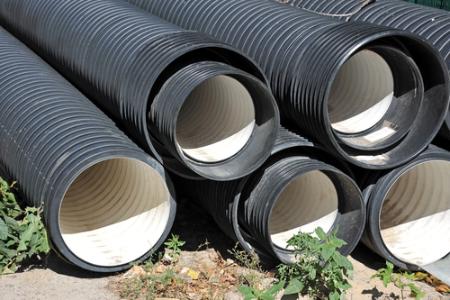
After solids settle in the septic tank, clarified water flows to the drainfield. There, perforated pipes or chambers spread water into the soil, where microbes finish the cleanup. In healthy conditions, the soil absorbs and filters that water without pooling on the surface.
Lake City soils vary from sandy patches to areas with clay pockets. During summer thunderstorms, the water table can rise quickly. When the ground stays saturated, the field cannot absorb more water, and warning signs begin to show.
Why Lake City Yards See Drainfield Problems
The mix of sandy and clay-rich soils across Columbia County, paired with flat lots and periodic heavy rainfall, can push drainfields to their limits. Homes near creeks or low areas may also see stormwater run through the yard and over the drainfield. Add in mature oaks and pines, and roots can press on pipes or slip into seams.
Older systems in established areas around Lake DeSoto or near Cannon Creek Airpark can be closer to large trees and paved driveways. Traffic, roots, and time create the perfect recipe for reduced soil absorption. When that happens, your system signals for help.
Seven Warning Signs Your Drainfield Needs Repair
1) Slow Drains Throughout the House
If sinks, tubs, and showers all drain slowly at the same time, the issue is often beyond a single clog. A saturated or clogged drainfield can cause wastewater to back up in the system, which shows up first as sluggish plumbing everywhere. If the problem returns soon after a tank pump-out, the drainfield likely needs attention.
2) Gurgling Sounds or Odors Near Vents and in the Yard
Listen for gurgles when you flush or run water. Gurgling can point to air trapped by water that has nowhere to go. Outside, a sharp, sewage-like smell near the drainfield or vent pipes is a red flag. Do not ignore sewage odors. They are more than a nuisance and can be a health concern.
3) Soggy or Spongy Ground Over the Field
Walk the area above your leach lines. If it feels soft or bouncy when the rest of the yard is dry, water may be pushing up because the soil is at capacity. You may not see puddles yet, but that spongy feel is often an early warning sign.
4) Standing Water With No Recent Rain
Puddles forming over the drainfield during a dry stretch are a classic sign of trouble. That water has to come from somewhere, and it is usually effluent that the ground can no longer absorb. Call a pro right away. Delaying can lead to larger affected areas and stronger odors.
5) Extra-Green, Fast-Growing Grass in Strips
A bright green band of grass that grows faster than the rest of the lawn often traces your leach lines. The grass is getting extra nutrients and moisture from treated wastewater that is not dispersing properly. This cosmetic clue often appears before puddles or backups.
6) High Tank Levels or Constant Pump Running
On systems with a pump tank, a field that is not accepting water can make the pump run more often or trip alarms. Even on gravity systems, a persistently high tank level after pumping can indicate the field is not draining as it should.
7) Backups in the Lowest Fixture
Basement or first-floor fixtures are usually the first to back up when the system cannot move water to the field. If that happens after you recently pumped the tank, the problem likely lies in the drainfield or distribution box rather than inside the house.
Heavy afternoon storms are common in Lake City from late spring through summer. If your yard is still spongy 48 hours after the rain ends, that could point to a saturated drainfield. Acting early helps limit landscape damage and household disruption.
What To Do When You See These Signs
If you notice one or more of these symptoms, act quickly to protect your home and yard:
- Stop using extra water until a technician inspects the system. Shorten showers and pause laundry.
- Keep people and pets away from soggy areas for safety.
- Note where you see puddles, odors, or greener grass to help the technician locate lines.
It is also smart to learn where your field runs so you can monitor it after heavy rains. If you are unsure, your septic pro can locate and map it for future reference.
How Pros Diagnose Drainfield Problems
Experienced septic technicians use several tools to pinpoint the cause. They may check tank and pump levels, open the distribution box to watch flow, and run a controlled water test to see how quickly the field accepts effluent. In some cases, they will probe or camera-inspect lines to confirm root intrusion, crushed pipe, or heavy biomat buildup.
Because every property in Lake City is different, the fix will match your soil, age of system, and layout. That could involve targeted line repair, replacing a collapsed section, or reconfiguring the field to improve drainage. Your technician will explain options so you can choose a durable solution for your lot.
Local Clues That Point To Drainfield Trouble
Lake City's summer pattern of fast, heavy downpours can soak the topsoil in places like Quail Heights or near Alligator Lake. If downspouts or driveway runoff cross the drainfield, the extra water slows soil absorption. Direct stormwater away from the field and watch for persistent wet spots after the rest of the yard dries.
Large shade trees are part of the area's charm, but roots follow moisture. If you have oaks or pines lining the drainfield path, root pressure can shift pipes or creep into joints. You might see a greener strip of grass along the root path before other symptoms appear.
To understand your options and timing, you can start with a quick call to Clean Flow Septic or review how we approach drainfield repair in Lake City. A short conversation helps you decide the next step with confidence.
Habits That Protect Your Drainfield After Repairs
Once your system is healthy again, small changes help it last. Spread out laundry days so your field can rest between cycles. Fix leaky toilets and faucets. Keep roof and driveway runoff away from the lines. And mark the area so visitors do not park on it. Never drive or park over the drainfield.
- Keep heavy vehicles, sheds, and patios off the field area.
- Plant only shallow-rooted grass over the field. Avoid water-hungry trees nearby.
- Use your garbage disposal lightly or not at all to limit solids entering the system.
- Schedule routine professional inspections based on household size and usage.
Why Homeowners in Lake City Choose Clean Flow Septic
Local homes from Five Points to Cannon Creek rely on Clean Flow Septic for clear communication and dependable work. We evaluate your soil conditions, field layout, and water usage to recommend a repair that fits your property. If drainfield issues are caught early, targeted fixes can often restore performance and help you avoid bigger disruptions.
When you are ready to move forward, our team will walk you through the plan step by step, schedule work at a convenient time, and leave your yard neat when we are done. If a summer storm rolls through while we have your job on the calendar, we will keep you updated so the project proceeds smoothly once the ground is ready.
Ready To Fix Your Drainfield in Lake City?
If the signs above sound familiar, take action today. Schedule your drainfield repair and other Lake City septic system services with Clean Flow Septic and get friendly, local help from a team that understands local soils and weather. Call 386-854-0549 to talk with a septic specialist and protect your home for the long run.
Get A Free Quote
Proudly Serving North Central Florida
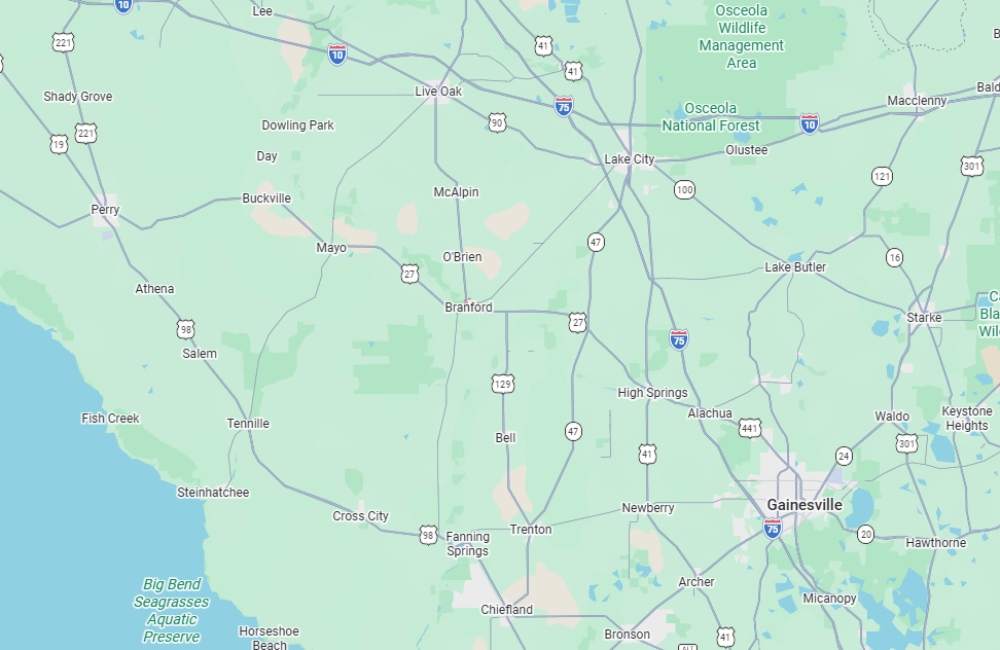
As a locally owned company, Clean Flow Septic is proud to serve homeowners, businesses, and property owners throughout North Central Florida. We understand the soil conditions, environmental regulations, and unique challenges that affect septic systems across our region, allowing us to deliver solutions that are built for long-term performance. Whether you're located in our hometown of Branford or a nearby community, you can count on responsive service, honest communication, and a team that treats your property with the same care and respect we would expect for our own.
Professional Septic Solutions
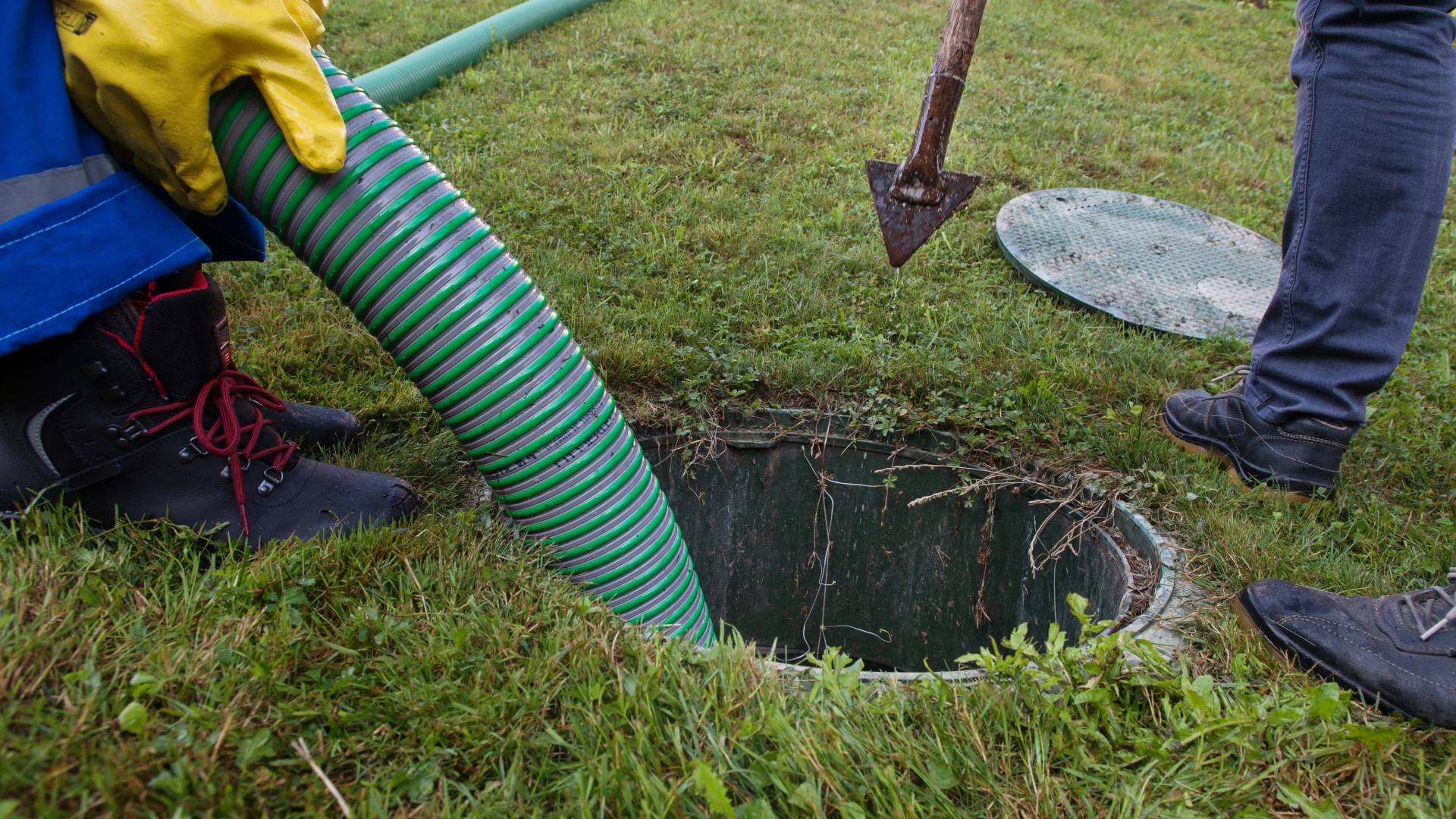
Your septic system is one of the most important parts of your property, and it deserves attention from professionals who understand how to keep it performing at its best. Clean Flow Septic provides dependable septic services backed by knowledgeable technicians, quality workmanship, and a commitment to doing every job the right way. From inspections and new installations to septic tank and drainfield replacements, we take the time to evaluate your system, explain your options, and recommend solutions that fit your property's needs instead of pushing unnecessary services. Our goal is to provide dependable work that gives you confidence long after the project is complete.
- Septic System Inspections
- Septic System Installation
- Septic Tank Replacement
- Drainfield Replacement
- Drainfield Repair
- Sewer Camera Inspections
- Sewer Pipe Repair
- Septic Tank Filter Cleaning
- Septic Tank Pumping
- Septic Tank Maintenance
- Septic Tank Riser Installation
- Grease Trap Cleaning
- Material Delivery